If you’ve ever tried training teams using long PowerPoint decks, lengthy classroom sessions, or videos that barely hold attention, you already know the challenge: traditional training doesn’t always translate into real-world performance. Now imagine replacing all of that with fully immersive environments where your employees can practice machinery operations, emergency responses, or customer interactions-without risking safety or disrupting operations.
This shift is exactly why so many companies are now evaluating VR training vs traditional training. As more industries adopt immersive learning, the question is no longer “Is VR effective?” but rather “Is VR more effective than the methods we’ve used for decades?”
Let’s break it down with data, real-world use cases, and a clear explanation of the difference between VR training and traditional training.
What Is Traditional Training and How Does It Work?
Before comparing traditional training vs VR training, it’s important to understand what companies have relied on for years-because VR isn’t replacing training, it’s redefining it.

Classroom and Instructor-Led Training
This has always been the go-to format: in-person workshops, lectures, discussions, and group exercises.
Video-Based or Digital Learning
Standard LMS modules, recorded lectures, and step-by-step tutorials fall under this.
On-the-Job Training
Shadowing senior employees, hands-on practice, or supervised equipment handling.
The Strengths
Traditional learning works well for soft discussions and conceptual explanations. According to the Training Mag Report, over 30% of organizations still rely heavily on classroom training.
The Limitations
But here’s the issue: learners forget 70% of new information within 24 hours.
This is exactly where traditional methods start to struggle-poor retention, inconsistent delivery, high costs, and limited scalability.
What Is VR Training? A Modern Approach to Skill Development
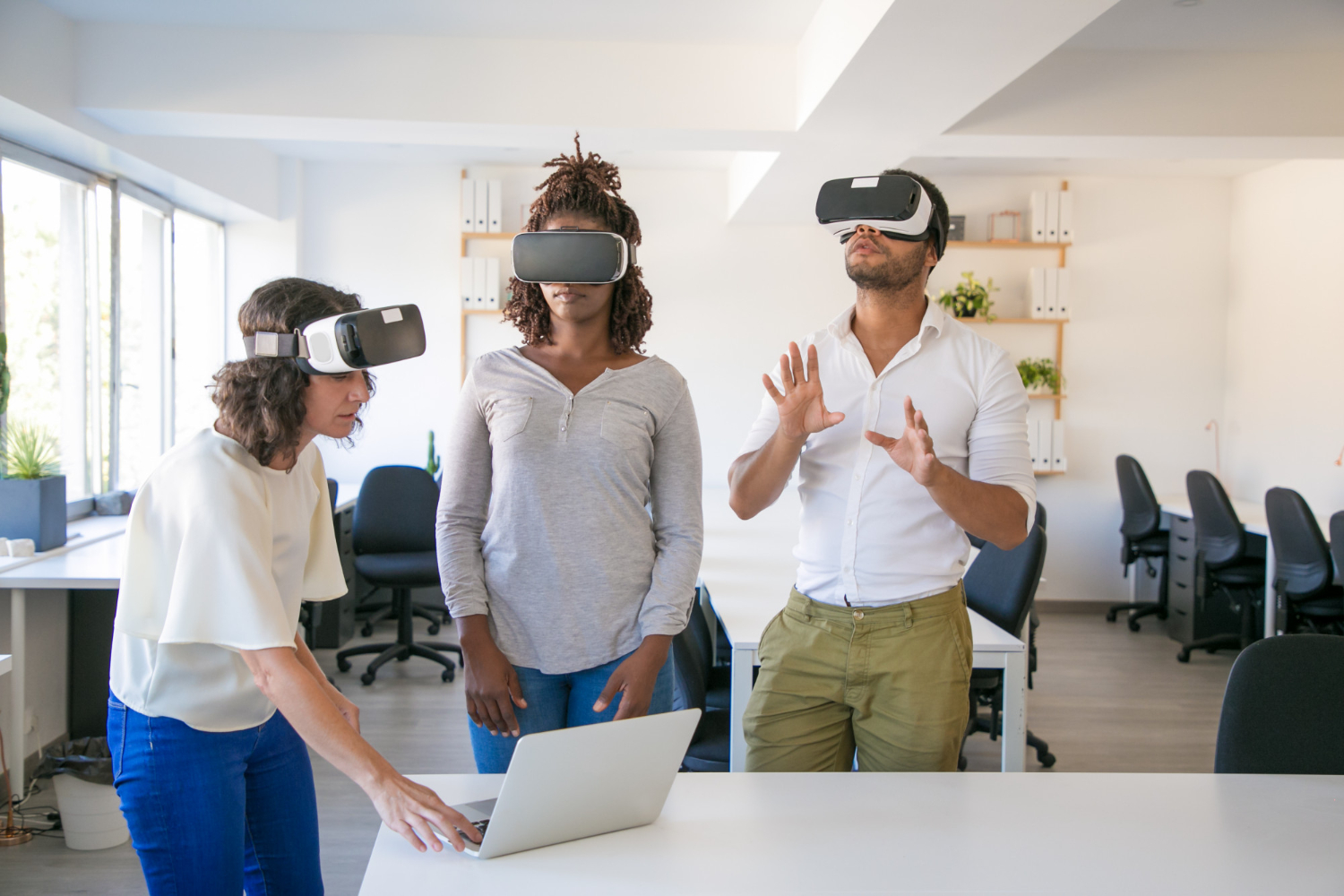
VR training uses immersive 3D environments delivered through headsets, hand controllers, and sensors that allow learners to interact with simulated scenarios. Many companies now upgrade their programs using VR training solutions to make learning practical, engaging, and measurable.
How VR Training Works
Instead of reading instructions or watching videos, learners do the task. They can operate machinery, walk through hazardous environments, or role-play customer interactions-all inside a simulation.
Use Cases Across Industries
From manufacturing floors to hospital emergency rooms, VR is reshaping training across:
- Manufacturing & safety
- Healthcare & surgery
- Aviation & aircraft maintenance
- Oil & gas
- Logistics & warehousing
- Customer support & soft skills
A study by Accenture found that VR learners were 275% more confident applying what they learned.
That’s a massive leap compared to conventional approaches.
VR Training vs Traditional Training: A Head-to-Head Comparison
Now let’s get into the heart of the discussion: where does VR outperform, and where does traditional training still hold ground?
Learning Retention & Engagement
Traditional learning is passive. VR is active, emotional, and immersive.
According to PwC, VR learners are:
- 4x faster to train compared to classroom learners
- 3.75x more emotionally connected to content
- 275% more confident to apply skills
Another popular finding shows VR’s retention rate can reach 75%, compared to 5-10% for lectures.
Safety and Risk-Free Practice
VR creates controlled scenarios for high-risk tasks. Fire drills, chemical handling, electrical safety, or heavy machinery operations can be practiced safely using VR simulation training.
Personalization & Real-Time Feedback
In VR, every action can be tracked-eye movement, completion time, errors, decision-making patterns-giving highly personalized feedback impossible in classrooms.
Accessibility and Scalability
Once created, the same VR module can train unlimited employees across multiple locations.
Cost Efficiency
While initial investment appears higher, the long-term cost of virtual reality training is significantly lower due to reduced instructor time, zero equipment risks, and unlimited repeatability.
Studies show companies see 30-70% cost savings after switching to VR.
The Difference Between VR Training and Traditional Training

If we break it down simply, here’s the difference between VR training and traditional training:
- Traditional training tells learners what to do.
- VR training lets them experience what to do.
Traditional learning explains the procedure; VR puts learners inside the procedure. It’s the difference between reading about riding a bike and actually riding one (without falling!).
Which One Delivers Better Results?
Data consistently shows VR outperforms traditional methods for complex, high-risk, and hands-on skill development. Traditional training still has value for conceptual or discussion-based learning-but VR wins for practical execution.
Where VR Outperforms the Most: Industry Examples
Let’s look at industries where the shift to VR is already creating measurable results.
Manufacturing & Equipment Handling
Training workers around heavy machinery is risky and expensive. That’s why so many factories now adopt VR in manufacturing to reduce accidents and increase precision.
Research shows VR reduces manufacturing training time by up to 40%.
Healthcare & Surgical Practice
A landmark study found VR-trained surgeons were:
- 29% faster
- Made 6x fewer errors
VR lets doctors rehearse complex procedures repeatedly-something textbooks cannot offer.
Aviation & Emergency Response
Pilots practice emergency landings, cabin crew train for evacuations, and maintenance teams learn engine diagnostics-all safer and cheaper using VR instead of real aircraft time.
Customer Service & Soft Skills
From conflict resolution to empathetic communication, VR role-play simulations build emotional intelligence far better than reading scripts.
When Traditional Training Still Works Better
Even though VR has advantages, traditional methods have their place-especially when human interaction or nuanced discussions matter.
Situations That Need Human Touch
Mentorship, leadership development, performance reviews, and collaborative workshops work better in person.
Challenges VR Cannot Solve Entirely
Motion sickness, hardware cost, or reluctance among older employees can slow adoption (though these issues are reducing over time).
How to Implement VR Training Effectively in Your Organization
VR is effective only when implemented strategically. Companies follow a well-defined roadmap to ensure success with VR training implementation.
Step-by-Step Implementation Roadmap
- Identify training needs
- Select content areas suitable for VR
- Build custom modules
- Pilot test with small teams
- Collect feedback
- Deploy at scale
- Track analytics
Off-the-Shelf vs Custom Development
Some organizations choose ready-made VR modules. Others require tailored content created through custom virtual reality development especially when processes or equipment are unique.
Integration With Existing Ecosystems
VR can sync with LMS platforms to track completion rates, progress scores, and performance analytics.
The Benefits of VR Training for Modern Businesses
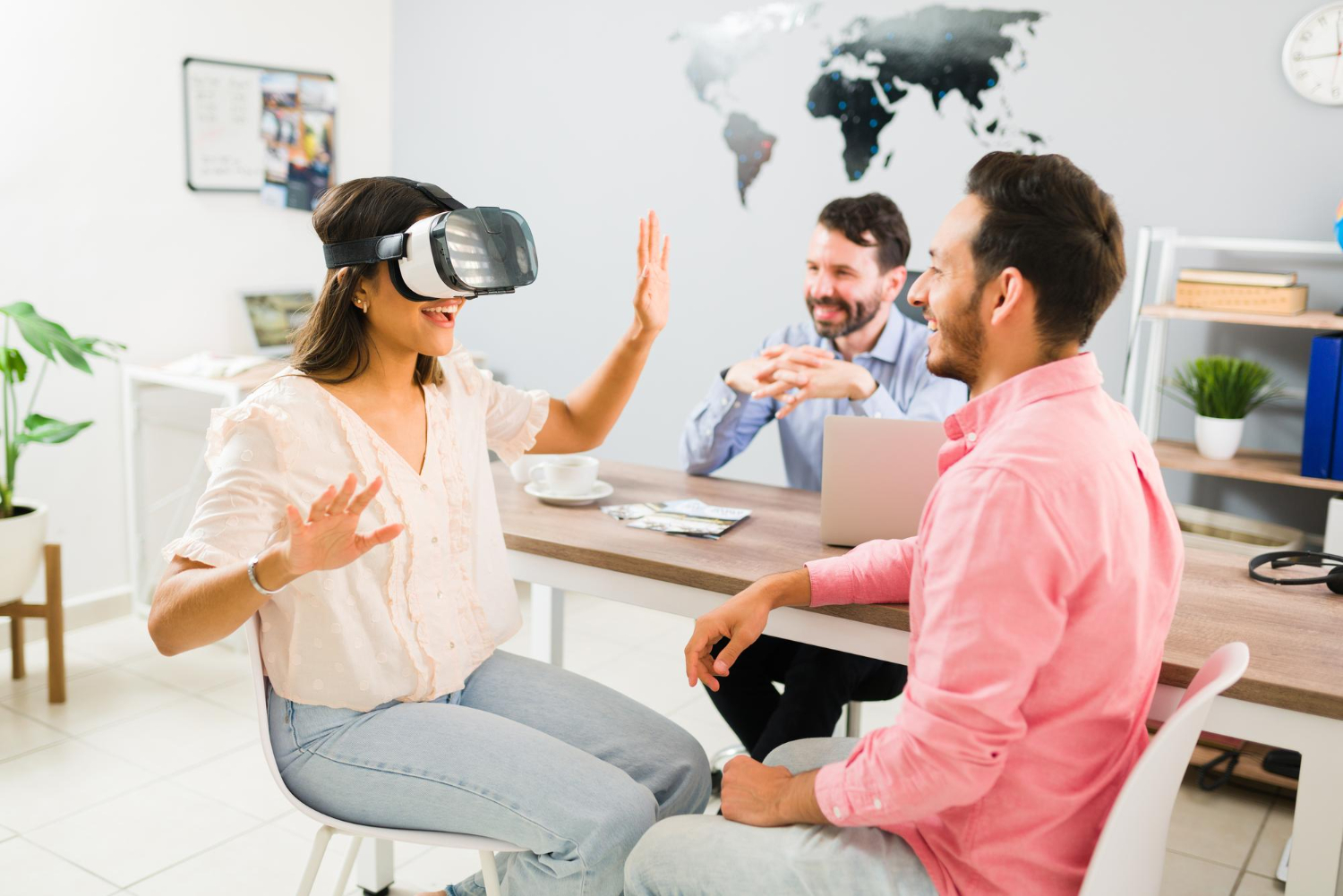
Companies aren’t adopting VR because it’s trendy-they’re choosing it because the ROI is measurable, sustainable, and scalable. This is exactly why many training leaders now emphasize the benefits of VR training in their L&D strategies.
Proven Advantages
- Higher knowledge retention
- Increased confidence
- Faster employee readiness
- Reduced workplace accidents
- Lower long-term costs
- Better engagement
Research suggests VR can reduce operational errors by up to 60% in industrial roles.
Scalable and Future-Proof
Once created, your VR modules can be used across multiple facilities, departments, and countries at no additional per-learner cost.
Perfect for the Future Workforce
Gen Z and modern employees prefer interactive learning-not passive PowerPoints. VR fits naturally into their expectations.
Conclusion
When comparing VR vs traditional training, the difference is clear: traditional methods teach concepts, while VR builds real-world capability. As more organizations invest in VR learning solutions, they’re unlocking faster employee readiness, safer training environments, and stronger skill retention.
Juego NeXR helps companies transform their training programs through immersive, industry-specific VR simulations designed to improve performance and accelerate learning outcomes.
FAQs - VR Training vs Traditional Training
In high-risk, complex, or hands-on tasks, yes, significantly better. For conceptual topics, traditional methods still work well.
No, but it enhances and strengthens it. Most companies use a hybrid model.
Manufacturing, aviation, logistics, healthcare, oil & gas, and customer service.
Initial investment is higher, but long-term cost per learner is substantially lower.
Anywhere between 3-12 weeks, depending on module complexity.
eLearning is passive; VR is fully experiential.
Revolutionize the future of business with Juego neXR
Table of Contents
- What Is Traditional Training and How Does It Work?
- What Is VR Training? A Modern Approach to Skill Development
- VR Training vs Traditional Training: A Head-to-Head Comparison
- The Difference Between VR Training and Traditional Training
- Where VR Outperforms the Most: Industry Examples
- When Traditional Training Still Works Better
- How to Implement VR Training Effectively in Your Organization
- The Benefits of VR Training for Modern Businesses
- Conclusion
- FAQs - VR Training vs Traditional Training
Related Posts
Companies Using VR for Training: Leading Brands and Real-World Use Cases
Posted on February 18, 2026

Virtual Reality Future Trends in 2026: How VR Is Evolving Across Industries
Posted on January 20, 2026
Virtual Reality Features and Functions: A Complete Guide
Posted on January 13, 2026




Our Offices

India
Bangalore
GR Grand Plaza, 2nd Floor, JP Nagar, 6th Phase, Bangalore – 560 078



KSA
Jeddah
St Idris Square, 4036 Helmi Koutbi, Al Zahra, Jeddah 23425, Saudi Arabia
Follow Us On:


© 2026 Juego neXR. All Rights Reserved.